Remembering Randy Bourscheidt
The Municipal Art Society mourns the loss of Randall (Randy) Bourscheidt, a thoughtful leader, generous colleague, and steadfast advocate for the civic and cultural life of New York City. Randy was a valued member of the MAS Brendan Gill Prize Jury, where his discerning judgment, intellectual curiosity, and deep appreciation for the arts enriched the deliberations year after year.
Randy moved to New York City in 1962. He soon became a Warhol Superstar, participating in several of Andy Warhol’s experimental film projects in the 1960s. So began a lifelong engagement with contemporary art and creative culture in New York. Randy later brought that sensibility to public service and cultural administration. At the New York City Department of Cultural Affairs, where he served as Acting Commissioner (1982–83) and Deputy Commissioner (1981–1987), he helped advance support for the city’s vast network of arts organizations and cultural institutions. As chief operating officer, he helped oversee the nearly threefold increase in New York City’s arts budget during the 1980s.
In 1989, Randy went on to serve as president of the Alliance for the Arts where he became an influential voice for New York’s nonprofit arts sector. Under his leadership, the organization championed artists, arts education, and cultural policy at a moment of significant change in the city’s creative landscape. He was admired for his ability to convene artists, civic leaders, philanthropists, and policymakers around a shared vision of culture as an essential public good. Under his leadership, the Alliance published influential reports on the economic impact of the arts in New York City and New York State and produced studies on the effects of the 2009–2010 recession on the arts.
At the Alliance, Randy founded the Estate Project for Artists with AIDS, the first national effort to preserve the work of artists affected by HIV/AIDS and other life-threatening illnesses. In the early 1990s, he also launched a lecture series for international cultural leaders that continues today as the Arts Forum at The New York Times. From 1995 to 1998, he chaired the New York City Advisory Commission for Cultural Affairs.
Randy possessed a gift for friendship and mentorship and remains a beloved figure across New York’s artistic and civic communities. His legacy endures in the institutions he strengthened, the neighborhoods he helped preserve, and the cultural life of the city he loved so deeply. He will be greatly missed by all who knew him.
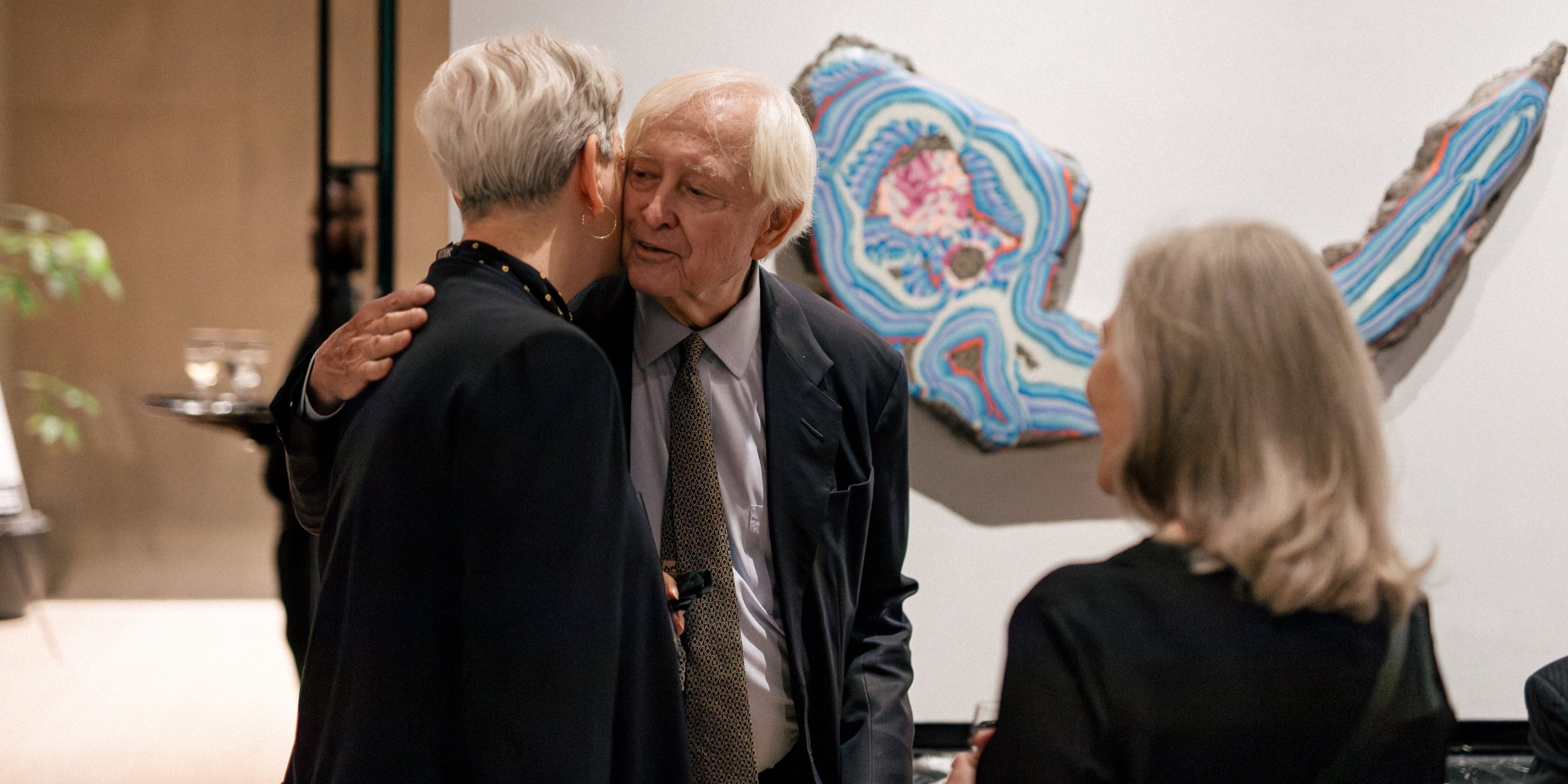
After a period as a private arts-management consultant, Randy became president of the Alliance for the Arts in 1989. Under his leadership, the nonprofit—specializing in research and audience development—published influential reports on the economic impact of the arts in New York City and New York State, and produced studies on the effects of the 2009–2010 recession on the arts.
At the Alliance, Randy founded the Estate Project for Artists With AIDS, the first national effort to preserve the work of artists affected by HIV/AIDS and other life-threatening illnesses. In the early 1990s, he also launched a lecture series for international cultural leaders that continues today as the Arts Forum at The New York Times.
Randy is remembered for his leadership, advocacy, and lasting contributions to New York’s cultural life.