New Yorkers Deserve a Transparent City Housing Agenda
Chair Kevin C. Riley
City Council Committee on Land Use
250 Broadway
New York, NY 10007
Dear Chair Kevin Riley,
The Municipal Art Society of New York (MAS) has long advocated for comprehensive, community-based planning that pairs housing growth with neighborhood services and climate-resilient infrastructure, both independently and as a longstanding member of the Thriving Communities Coalition. We support Mayor Mamdani’s ambition to build more affordable homes, but have significant concerns about the lack of coordination, rigor, and community-based implementation strategy. Block by Block, the Fair Housing Growth Strategy, and the Affordable Housing Fast Track are advancing on separate tracks, and it is unclear how they all fit together, or how 700,000 new homes will be matched by the schools, parks, transit, and flood protection they require.
First, Block by Block lays out an ambitious vision but offers few details on delivery. The report does not explain what overarching framework, principles, or local considerations will guide future land use actions, such as Transit Oriented Development or Comprehensive Neighborhood Plans. We urge the City to publish a clear plan that connects housing goals with capital commitments to public infrastructure in communities that are expected to densify, whether that’s through upgrades to schools, parks, or transportation.
Likewise, the Fair Housing Growth Strategy lacks detail on where and how communities will accommodate growth and what types of housing New Yorkers actually need. The report does not respond to the full intent of Local Law 167, which explicitly requires a detailed housing needs assessment and consideration of transit access, public services, and climate impacts. While the final report nominally includes these elements, we urge HPD to deepen its housing needs analysis to quantify the levels of affordability needed by each community, as well as to outline district-level spatial plans to guide development to areas with the capacity to handle additional density.
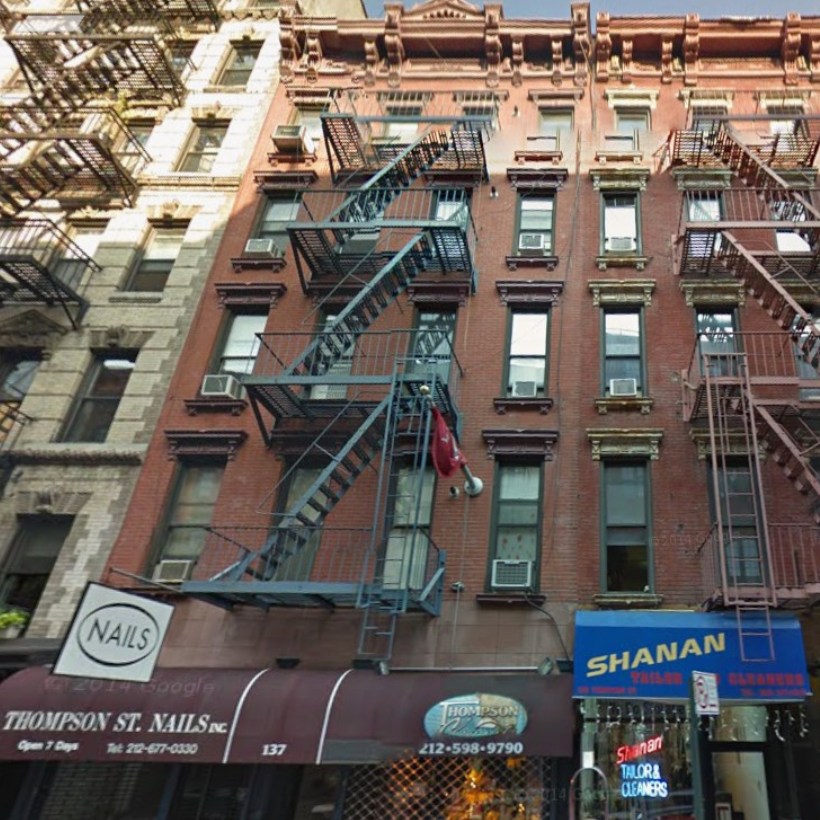
Finally, the 12 districts identified for the Affordable Housing Fast Track have no accompanying planning strategy or spatial framework. As a result of the current rulemaking, the 12 districts identified are either in transit-scarce neighborhoods on borough outer edges, or in Manhattan’s densest neighborhoods. In recent years, these Manhattan neighborhoods have also experienced increased speculative, luxury development at the same time as a significant loss of affordable units, underscoring the critical importance of pairing this Fair Housing Strategy with adequate protections and innovative support for the preservation of existing affordable units. In the face of these challenges, the City must thoughtfully determine where new housing will be sited in these 12 districts, in coordination with transit access, climate impacts, and public infrastructure. We urge the City to establish dedicated funding for neighborhood planning, with a clear pathway to implementation, as it has in the past with the Neighborhood Development Fund.
We stand with our partners in the Thriving Communities Coalition and call on the administration to leverage a comprehensive planning approach that connects housing development to community needs, investments, and meaningful community participation.
MAS welcomes the opportunity to set up a time to discuss additional details. Thank you.
Sincerely,
Keri Butler
President, Municipal Art Society of New York
Download Testimony

Become a member to enjoy discounts to events and tours.
Learn about membership