President’s Letter: May 2026
Reflecting on another successful Jane’s Walk weekend, I’m overwhelmed by the energy packed into three days, and the enthusiasm people have for sharing their work, stories, and neighborhoods. Walks like Black Footprints, which delved into Lower Manhattan’s lesser-told Black histories, and Second Lives, a tour of Jamaica’s adaptive reuse cases in practice, embodied the layered spirit of our neighborhoods. By immersing ourselves in both their histories and futures, it becomes especially clear how interconnected we are through our built-environment—and relationships to one another.
When we walk our streets together with curiosity and intention, we learn how design shapes our experience. The scale of a sidewalk in relationship to the street, the materiality of the built environment, the presence of trees and greenery (or lack thereof) all tell a story about who the street is for and how it might be improved to better serve more New Yorkers.
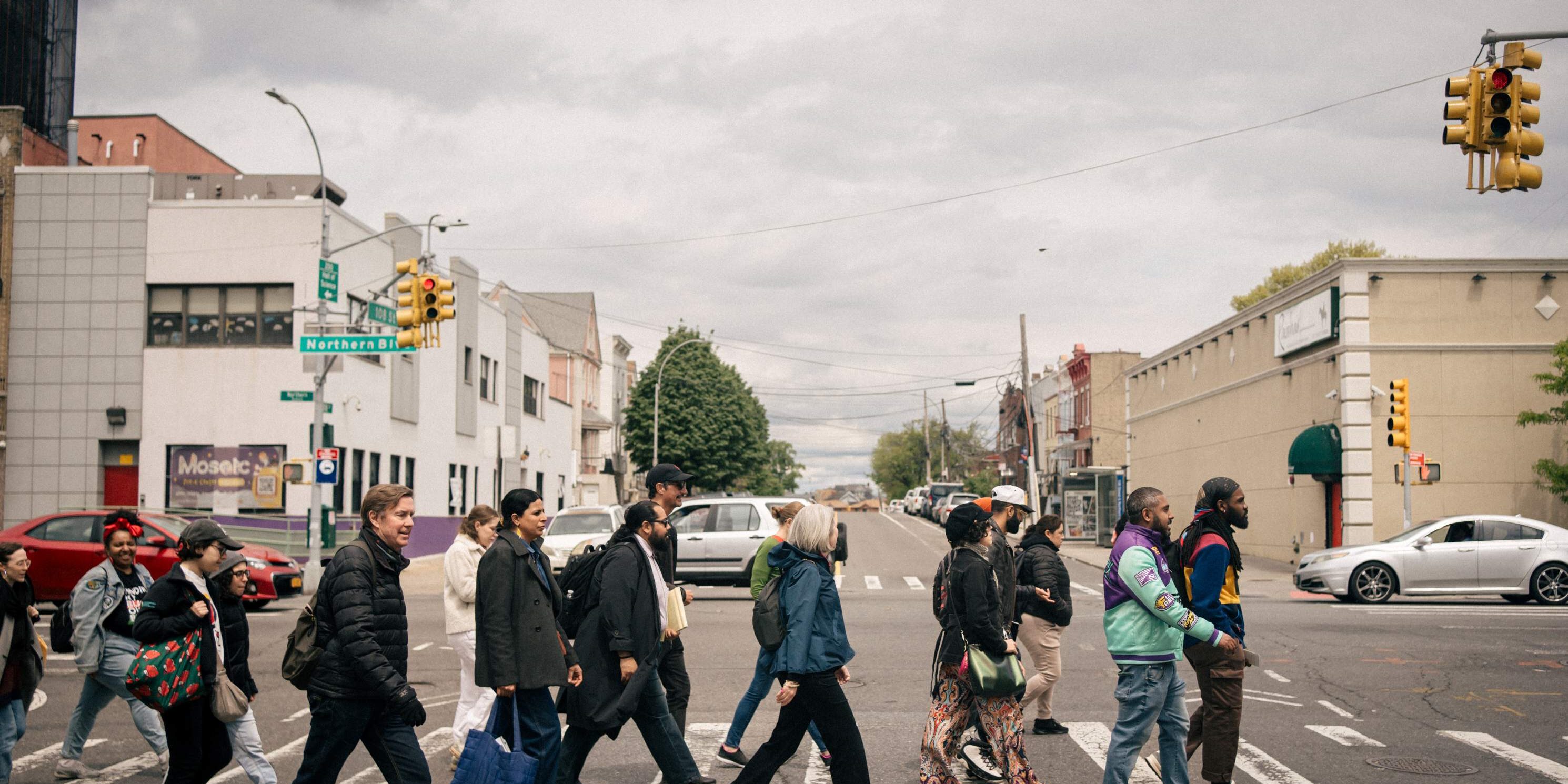
It can be difficult to untangle much of our urban fabric from the results of decisions made long ago. But each year, our Jane’s Walk leaders do exactly this. They proudly show off their favorite parts of their neighborhoods, while also identifying potential for improvements: underused spaces and adjacency opportunities that could be converted into public plazas, a curb lane that could be a pocket park, a vacant lot that could become a community garden—a sidewalk that could be widened to alleviate congestion and increase pedestrian safety.
Through urban design we can envision powerful transformations that improve access, equity, and the everyday health of our city. Well-designed public spaces invite chance encounters, support small businesses, cool neighborhoods, and give children room to play—benefits that ripple outward far beyond the footprint of any single project. Such is why our mission here at MAS is about expanding livability—from sidewalk to skyline.
MAS recently moved to Lower Manhattan and joined many of our colleagues in walking and observing our surrounding streetscapes. This neighborhood is a familiar one to me, as I worked in the area for 16 years before joining MAS. These historic streets, while charming, have long faced the growing pains of a neighborhood not designed for the scale of pedestrian traffic it now invites. Between accommodating tourists, office workers, and new residents, there are myriad opportunities to ask how our streets can better meet the moment—right in our own backyard.
Every great public place began as a simple observation: Someone noticed a space that could be better and insisted that it be transformed. Ideas become places only when community voice, political will, and investment come together. Jane’s Walk may be over, but our explorations of the city continue. If we keep walking, watching, and working together, we’ll continue to unlock the generous, inclusive public spaces our city needs.
Join us for an upcoming neighborhood tour, share observations about the streets you love or those you think need change, and help advocate for design solutions that prioritize people.
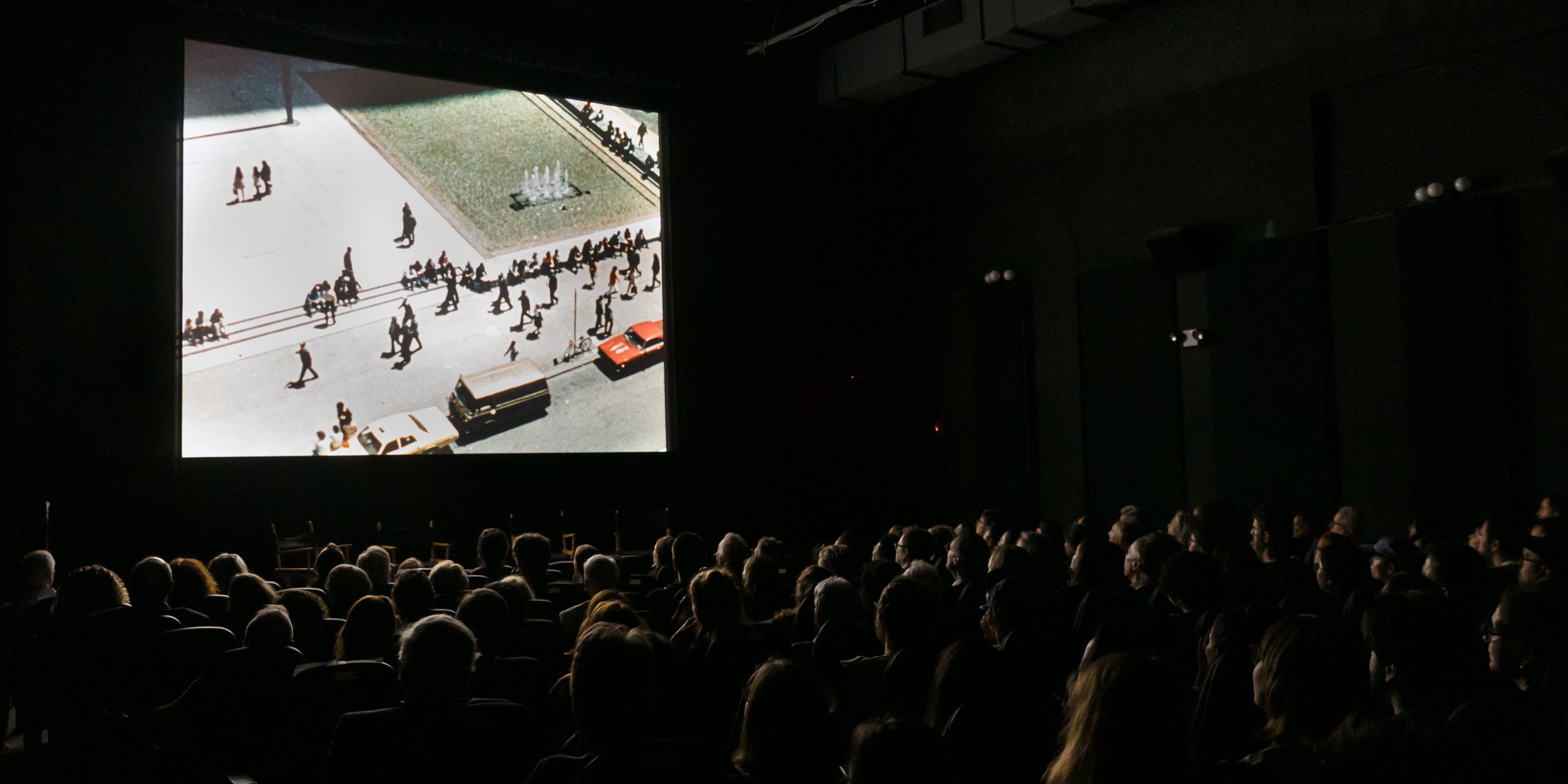
Become a member and get inspired!
Related Initiatives
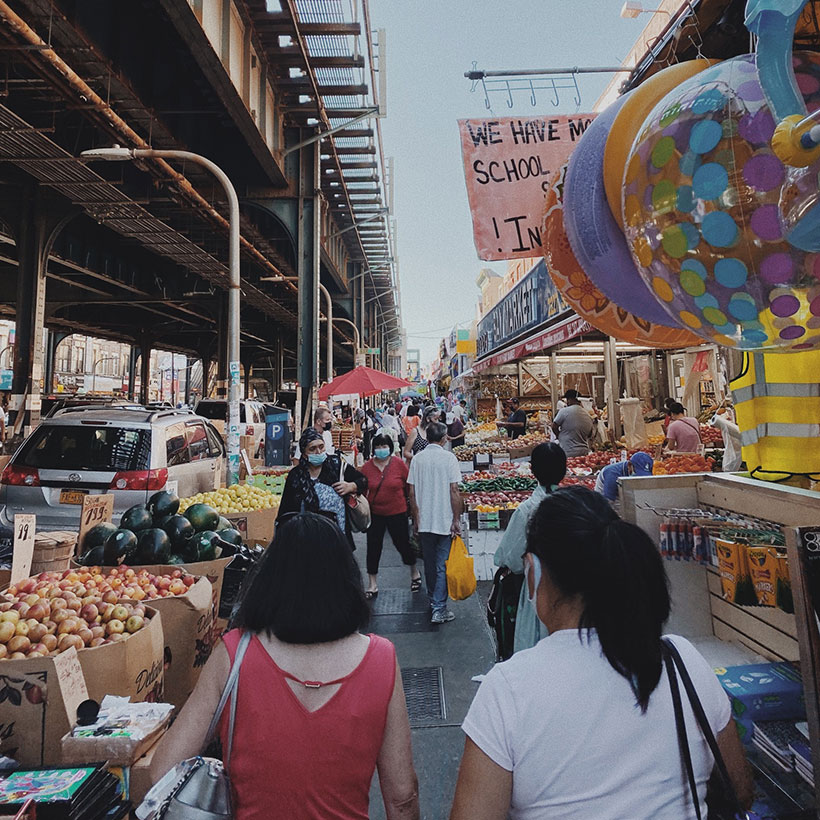
Supporting, celebrating, and preserving diverse cultural heritage throughout NYC
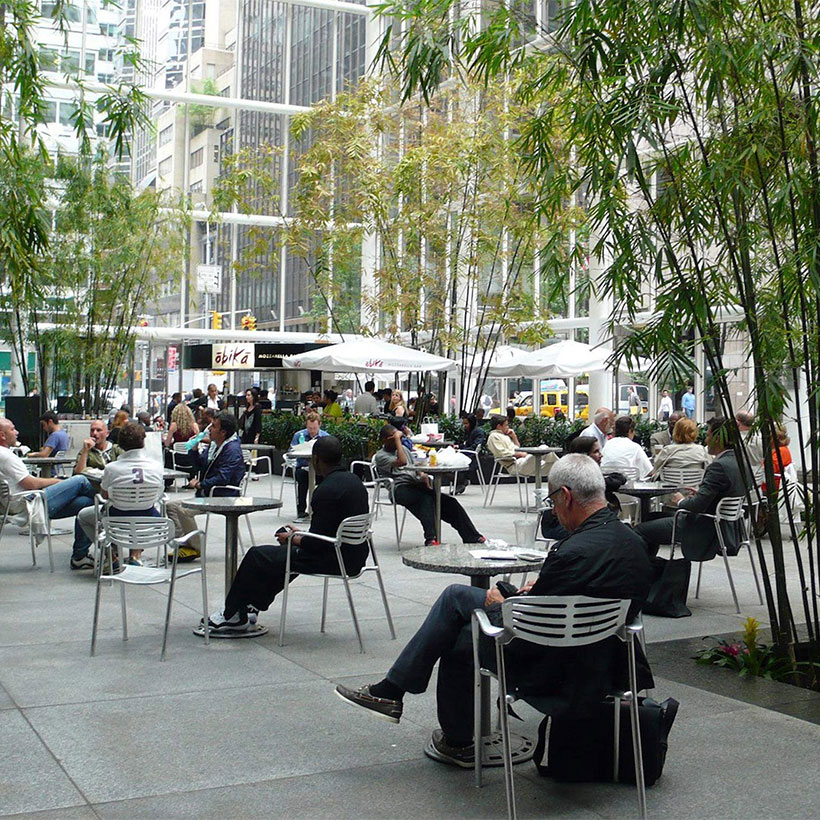
Protecting New York’s 80-acre network of public plazas and arcades