President’s Letter: June 2026
This summer, New York City takes center stage.
The Knicks are in the NBA Finals for the first time in a generation and in the coming days, millions of soccer fans will descend on the city for the FIFA World Cup. For a few extraordinary weeks, all eyes are on us, and New Yorkers from every neighborhood will feel the electricity in the air—whether or not they ever set foot inside an arena.
Many of them will arrive through Penn Station—perhaps for the very first time. This will be a test for a transit hub that is already over capacity and has been performing poorly for decades.
With Amtrak’s announcement of a master developer for the Penn Station Transformation Project, a change at Penn Station finally seems to be moving forward—albeit one focused less on addressing train capacity issues and more on creating a civic presence on Eighth Avenue and an improved concourse experience.
The designs show a spacious and light-filled train hall—a welcome change indeed. However, major questions remain, including how the project will be funded, whether it will help meet the capacity requirements of a growing region, and how it will impact the surrounding area of Penn Station.
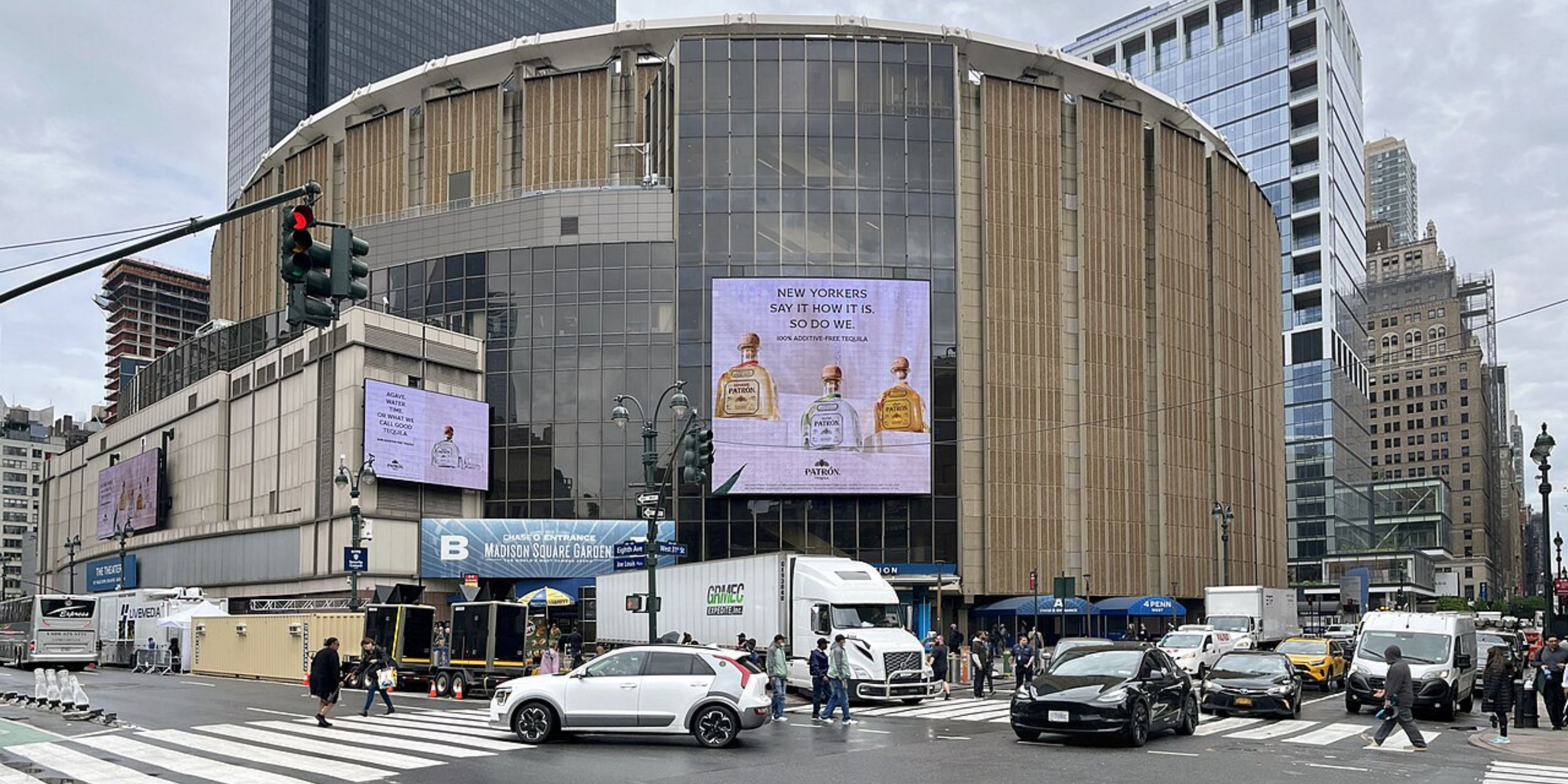
One answer to the question of capacity and funding may lie in an amendment to the proposed federal BUILD America 250 Act. Should it become law, this bill would enhance Amtrak’s eminent domain authority and allow the railroad to capture value from nearby real estate development when needed for station-related expenses—for example, for a station expansion. This amendment notably prohibits state, local, and regional governments from collecting taxes or fees on real property owned by Amtrak, giving the federal government control over how funds are spent on Penn Station and the surrounding developments. These provisions are rightly being scrutinized by elected leaders, as they may significantly impact how the city benefits from development.
For decades, MAS has advocated for a world-class Penn Station—one that moves people efficiently, welcomes visitors with dignity, and strengthens the public realm around it. We support meaningful progress, but progress must be accompanied by transparency, accountability, and a clear plan for meeting the region’s long-term transportation needs.
This summer, New York has an opportunity to demonstrate what it does best: rise to meet a moment of global attention. Whether on the court, on the field, or through the transformation of our most important public infrastructure, the challenge is the same—to match ambition with execution.

Become a member and get inspired!
Related Initiatives
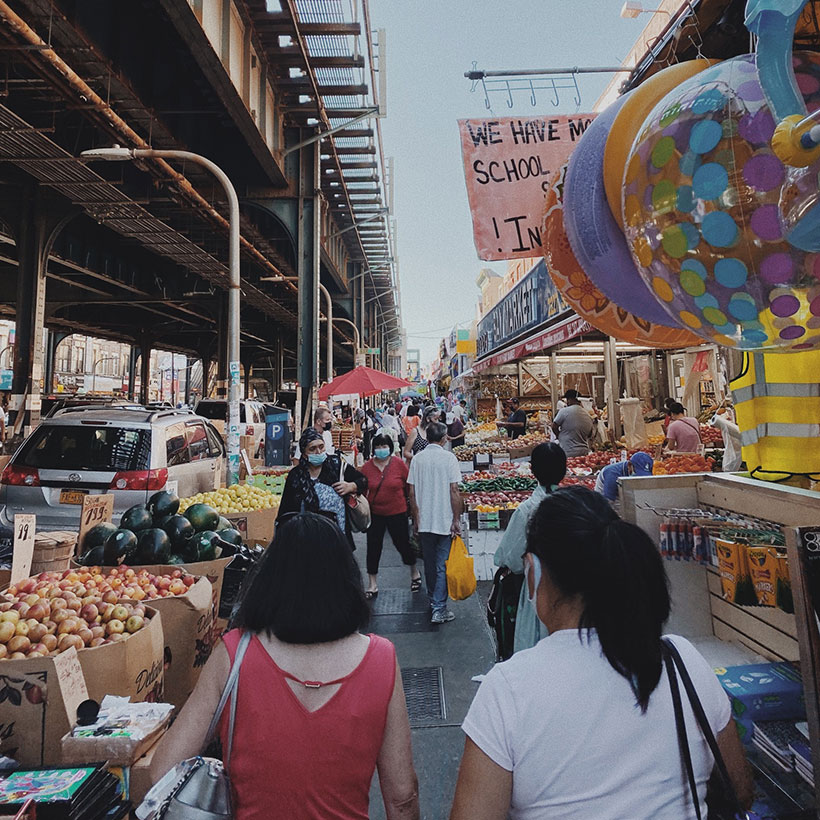
Supporting, celebrating, and preserving diverse cultural heritage throughout NYC
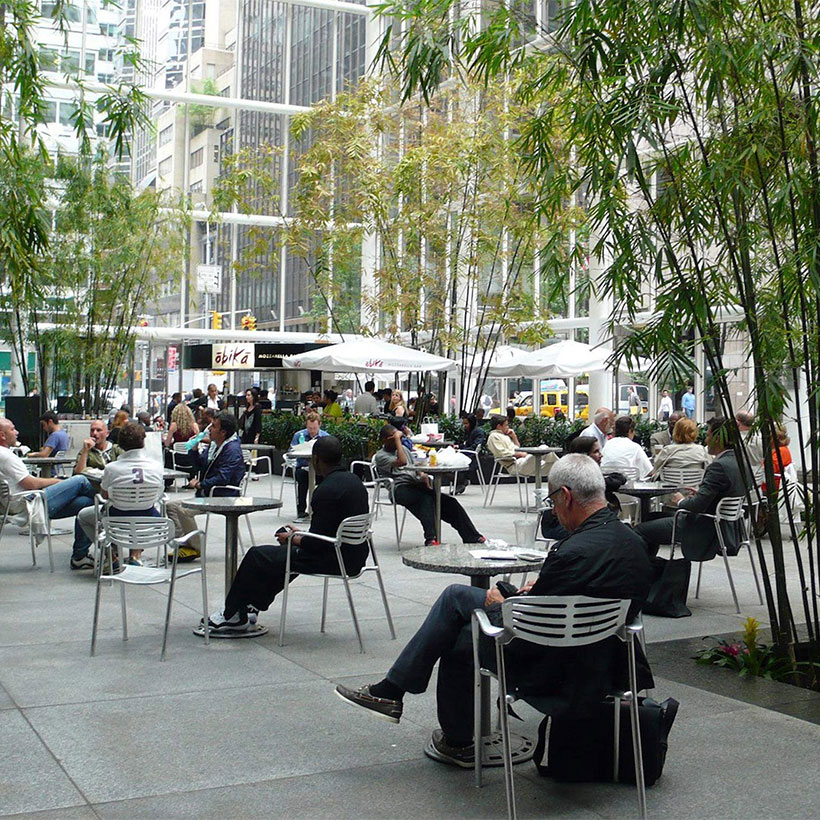
Protecting New York’s 80-acre network of public plazas and arcades