President’s Letter: July 2026
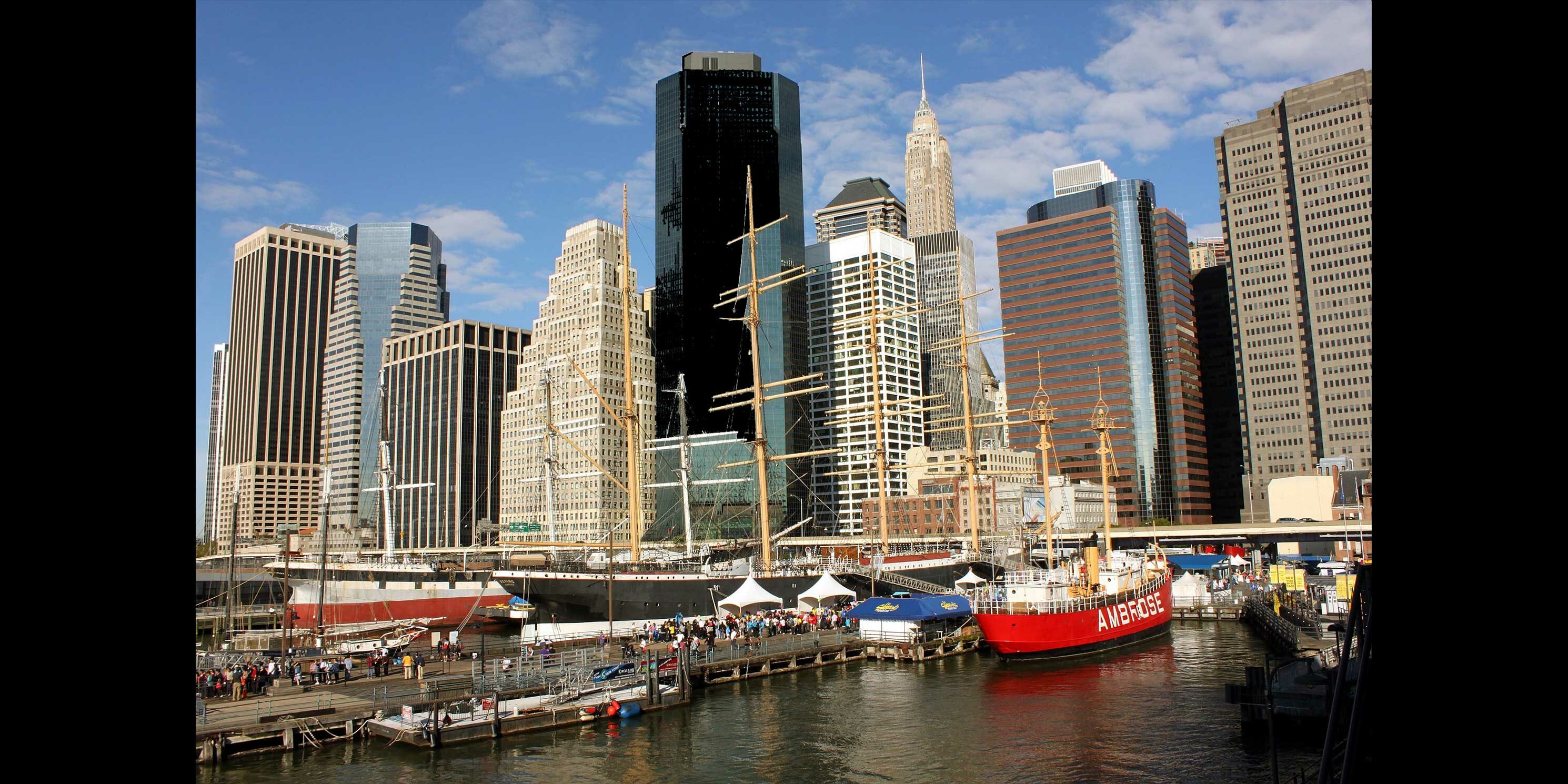
This year’s Fourth of July holiday marked the 250th anniversary of the signing of the Declaration of Independence, which across the country and right here in New York was ushered in with the fanfare of fireworks, flags, and tall ships. But as New Yorkers, we walk through the layers of our city’s history every day. Across the five boroughs history is always being made and remade.
As we return from a weekend celebrating our nation’s latest milestone, we must ask whether we celebrate our history in the same way we live it. Whose stories are missing? And how can preservation—whether of built structures or cultural mainstays—evolve to convey a fuller telling of our city’s story? These questions are at the heart MAS initiatives like Enduring Culture, which advocates for more equitable preservation systems citywide, and the Livable Neighborhoods Program, which empowers New Yorkers to be their own best advocates in land use decisions impacting them.
MAS has deep roots in historic preservation, and as we work towards a more equitable orientation within the field, we remain committed to safeguarding our city’s iconic historic fabric. Last month, our docent Wendy Felton was featured on PIX11 News to discuss the transit hub’s intense preservation battle (led by MAS with board member Jacqueline Kennedy Onassis), its revered public art, and its continual evolution.
At the same time, we understand that our city is constantly growing and changing, and MAS will always ensure it does so in ways that create a more livable city for us all. Just last month, we welcomed Department of City Planning Director and City Planning Commission Chair Sideya Sherman to our offices to discuss Mayor Mamdani’s Block by Block affordable housing plan. In that meeting, we emphasized the importance of integrating good design and preservation as part of holistic neighborhood planning. We also recently joined colleagues in advocating for the Make Way for Lower Manhattan plan, which envisions shared streets, new public spaces, and pedestrian-friendly streetscapes that will provide safe routes for people to enjoy the rich history of downtown.
Equitable historic preservation depends on equitable city-building. Walkable neighborhoods, affordable housing, accessible transportation, and thriving public spaces help ensure that historic communities are not displaced but remain active stewards of the places and traditions that define our shared heritage.
Become a member and get inspired!
Related Initiatives
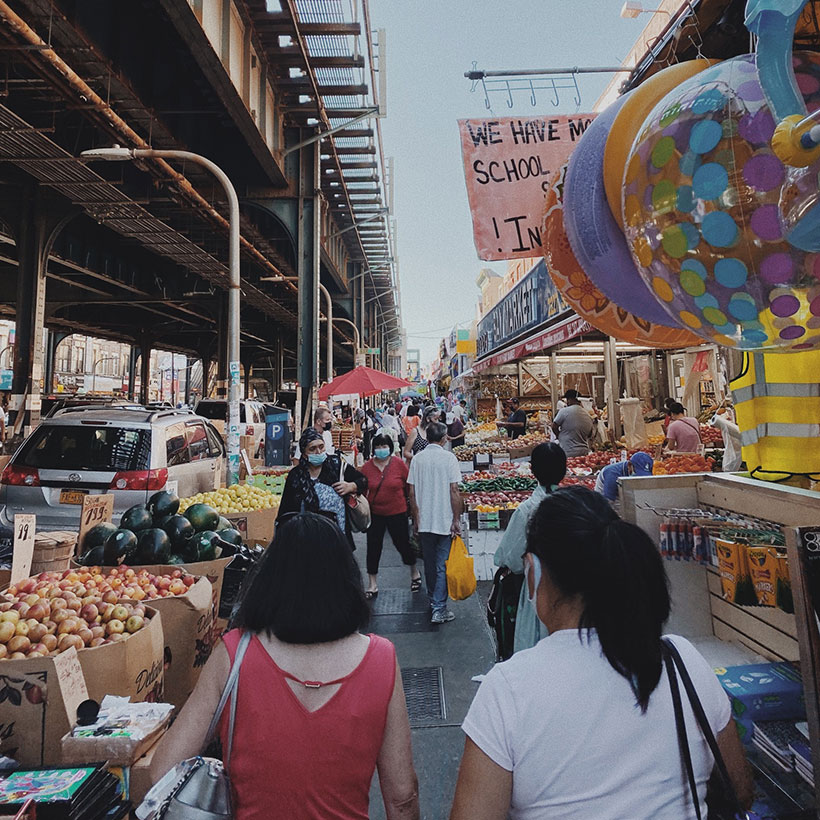
Supporting, celebrating, and preserving diverse cultural heritage throughout NYC
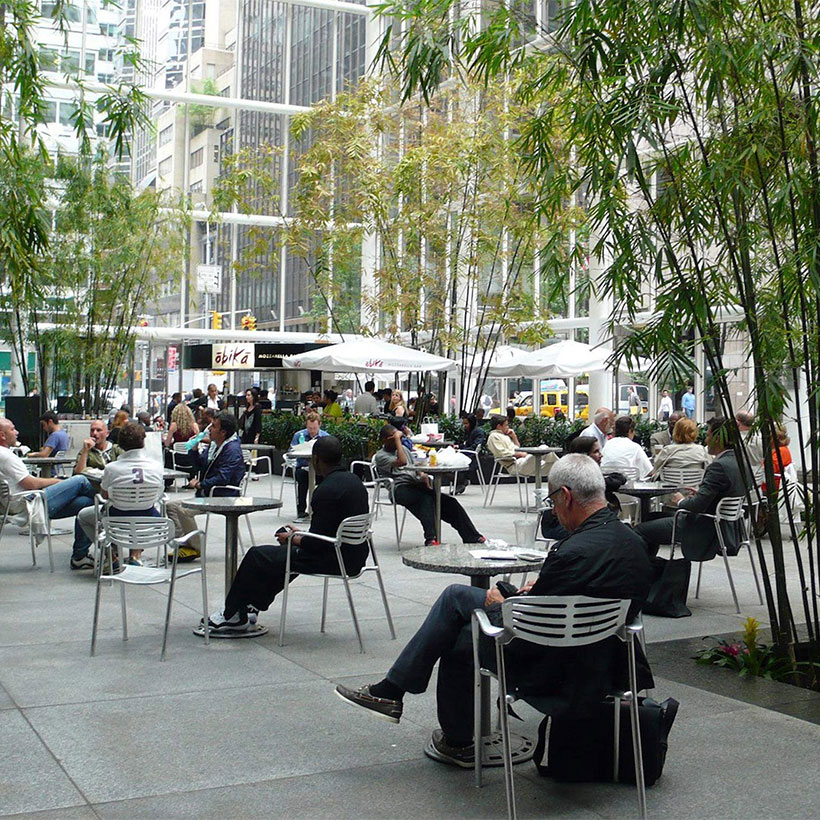
Protecting New York’s 80-acre network of public plazas and arcades