The Spooky City: A Halloween Reading List from the Greenacre Reference Library
Looking for a Halloween read with a built-environment twist? Erin Butler, our Greenacre Reference Library librarian, compiled a list on New York’s cemeteries, buried histories, and vanished places, along with a few stories about what happens when cities lose their souls.
Avery Obituary Index of Architects
Avery Architectural & Fine Arts Library, Columbia University
A reference index to obituaries of architects and artists, compiled from the Avery Library’s collections and first published in 1963. It’s a grim but invaluable tool for tracing the lives, and deaths, of the people who designed our buildings.
Churchyards of Trinity Parish in the City of New York, 1697–1969
Corporation of Trinity Church
An illustrated history of the burial grounds of Trinity Parish, published by the church itself. Its churchyard at Wall Street holds some of the city’s oldest graves, including Alexander Hamilton’s.
Dead Malls
Darby Harn
A choose-your-own-adventure horror novel in which you play a night-shift security guard in a dying mall, only to discover it’s a gateway to another world. A fitting pick for a list about the places cities leave behind.
The Death and Life of Great American Cities
Jane Jacobs
Jacobs’s 1961 classic challenged the urban renewal orthodoxy of its day, arguing that lively, mixed-use streets and “eyes on the street” are what keep cities safe and thriving. Drawing on her own Greenwich Village neighborhood, it remains required reading for anyone who cares how cities succeed and fail.
The Death of Common Sense
Philip K. Howard
Howard’s 1994 book argues that rigid, overly detailed regulation has stripped officials of the judgment needed to make sensible decisions. It’s a provocative read for anyone who has been tangled up in a permitting or review process.
Devil’s Mile: The Rich, Gritty History of the Bowery
Alice Sparberg Alexiou
Alexiou follows one of New York’s most storied streets from its earliest days through its rough-and-tumble heyday and its recent transformation. The book is built around the colorful characters who lived, drank, and performed there.
The Devil’s Playground: A Century of Pleasure and Profit in Times Square
James Traub
Traub chronicles Times Square’s rise as an entertainment capital, its decline into the seedy 1970s, and its polished makeover. It’s a lively account of how a single neighborhood can be reinvented again and again, for better and worse.
Grave
Allison C. Meier
Part of Bloomsbury’s Object Lessons series, this short book takes a ground-level look at how the grave has changed over time, from potter’s fields and mass graves to cremation, green burial, and human composting. Meier, a cemetery tour guide, asks what comes next for burial and how cemeteries can be returned to community life.
Gravesend, Brooklyn: Coney Island and Sheepshead Bay
Eric J. Ierardi
This photographic history from Arcadia’s Images of America series follows one of Brooklyn’s six original towns as it grew from an isolated English-speaking settlement into a seaside resort. More than 200 images capture Coney Island’s rise as the “playground of the world” and Sheepshead Bay’s fishing community.
The Green-Wood Cemetery: Saved in Time
The Green-Wood Historic Fund
This publication accompanies the Historic Fund’s Saved in Time program, an appeal to conserve and restore the cemetery’s endangered monuments. The program began with 20 monuments chosen to represent the range of conservation challenges found throughout Green-Wood.
Naked City: The Death and Life of Authentic Urban Places
Sharon Zukin
Sociologist Zukin examines how the search for “authentic” neighborhoods, along with gentrification and development, can transform the very places New Yorkers love. Its subtitle nods to Jacobs, and the book reads as a sharp companion to her classic.
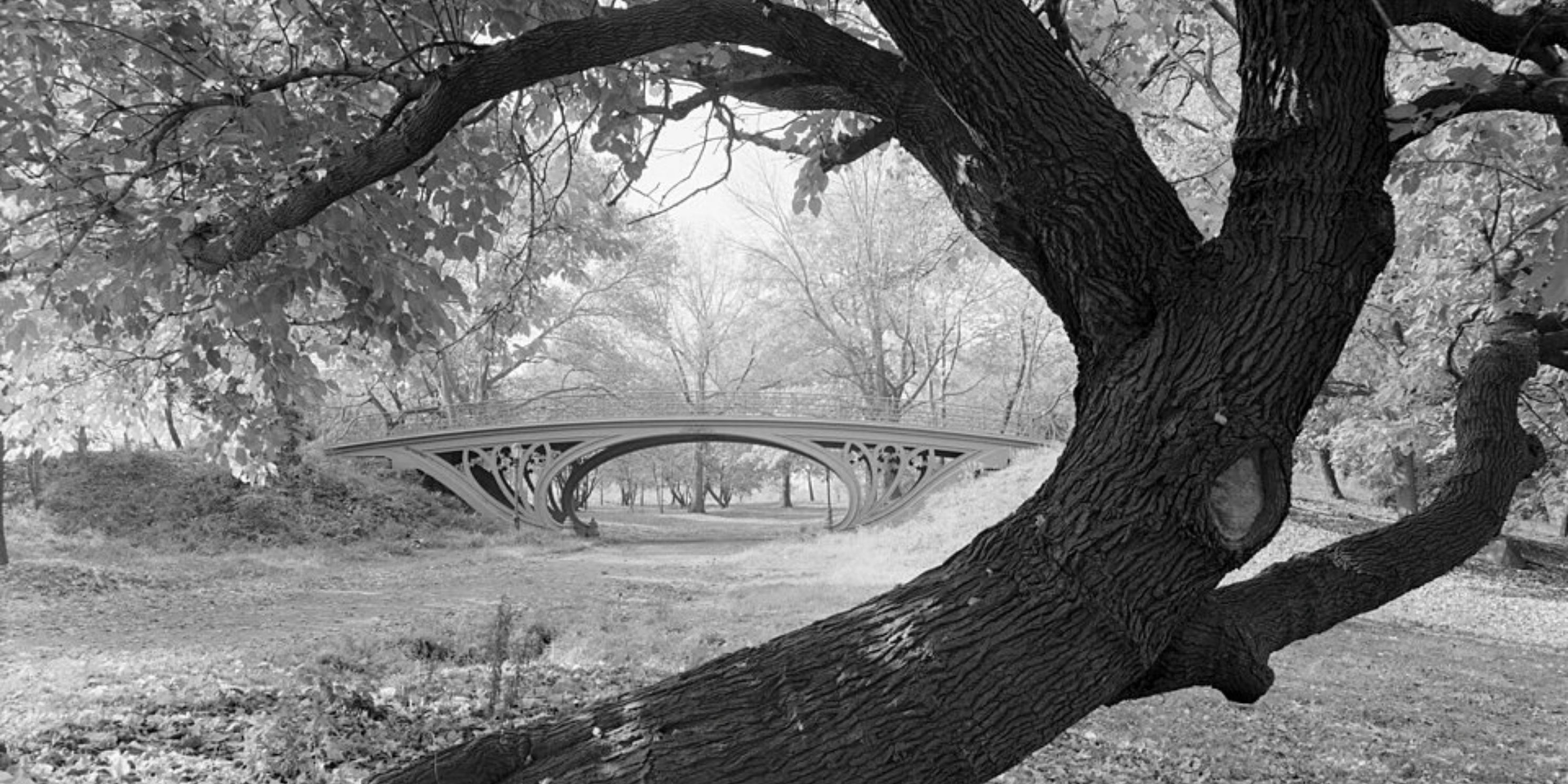
New York City’s Buried Past
Robert Apuzzo
A guide to Revolutionary War–era artifacts excavated in New York City, the physical remnants of the occupied city between 1776 and 1783. It’s a reminder of how much history lies just beneath the pavement.
Noxious New York: The Racial Politics of Urban Health and Environmental Justice
Julie Sze
Sze examines how pollution and environmental health burdens have fallen unevenly across New York’s neighborhoods. She also traces how residents have organized to fight back, making this a real-life horror story with a hopeful thread.
Permanent New Yorkers: A Biographical Guide to the Cemeteries of New York
Judi Culbertson and Tom Randall
A guide to the graves of New York’s notable dead, organized by cemetery with maps and walking tours of the larger burial grounds. Green-Wood and Woodlawn each get extended attention.
Reclaiming Our Past, Honoring Our Ancestors: New York’s 18th Century African Burial Ground
Edited by Edward Kaufman
Published in 1995, this volume documents the design competition for a memorial at the African Burial Ground in Lower Manhattan, the colonial-era cemetery rediscovered in 1991 during construction of a federal office building. It captures an early chapter in the long effort to honor the thousands buried there.
Sins of New York
Edward Van Every
Van Every’s 1930 book mines the National Police Gazette, first published in 1845, for the city’s scandals, murders, and vices. It’s a gleefully lurid slice of old New York.
St. Mark’s Is Dead
Ada Calhoun
Calhoun traces the history of St. Marks Place through its eras as an immigrant hub, a bohemian haven, and a punk mecca. It’s a wry, affectionate portrait of a street that has been declared dead many times over.
Sylvan Cemetery: Architecture, Art and Landscape at Woodlawn
Edited by Charles D. Warren, Carole Ann Fabian, and Janet Parks
The catalogue for a 2014 Columbia University exhibition marking Woodlawn Cemetery’s 150th anniversary, drawn from the cemetery’s archive at the Avery Library. It showcases the architects, landscape designers, and artisans, from McKim, Mead & White to Tiffany Studios, whose work shaped the Bronx cemetery.
These Ghosts Are Family
Maisy Card
In this debut novel, a Jamaican man who faked his own death decades ago is about to meet the daughter who believed him dead. The story moves from colonial Jamaica to present-day Harlem, tracing how one man’s secret haunts generations of his family.
Unearthing Gotham: The Archaeology of New York City
Anne-Marie Cantwell and Diana diZerega Wall
Cantwell and Wall dig beneath the city to tell its story through archaeology, from the earliest inhabitants through colonial New Amsterdam to the nineteenth-century city. One chapter focuses on the African presence in colonial New York.
Vanishing New York: How a Great City Lost Its Soul
Jeremiah Moss
Moss, the voice behind the blog Jeremiah’s Vanishing New York, chronicles the loss of the city’s mom-and-pop shops, dive bars, and landmarks to luxury development and chain stores. It’s both an elegy and a critique of the forces behind the change.
Woodlawn Remembers: Cemetery of American History
Edward F. Bergman
A history of Woodlawn Cemetery in the Bronx, where Herman Melville, Duke Ellington, and F.W. Woolworth are buried. The 400-acre cemetery was designated a National Historic Landmark in 2011.
Check out the Greenacre Reference Library & MAS Archives!
Find Books here: MAS-GreenacreLibrary’s books | LibraryThing
For more information or to make an appointment, contact Erin Butler at 212-935-3960 or ebutler@mas.org.
Become a member and get inspired!
Related Initiatives
Supporting, celebrating, and preserving diverse cultural heritage throughout NYC
Protecting New York’s 80-acre network of public plazas and arcades