Statement Opposing the Bipartisan American Affordability and Jobs Act of 2026 and Its Proposed Changes to Section 106 of the National Historic Preservation Act
The Municipal Art Society of New York (MAS) opposes the Bipartisan American Affordability and Jobs Act of 2026 (S. 5653). While presented as permitting reform designed to reduce energy costs and strengthen the grid, the legislation as written would go far beyond that, significantly weakening federal environmental and historic preservation protections as applied to all federally permitted projects. In doing so, it would diminish meaningful public participation and put communities, natural resources, and historic and cultural resources across the country at greater risk. Further, it would serve to benefit fossil fuel projects and data centers to the same extent it would benefit renewable energy development, negating many of its purported positive effects. For these reasons, MAS urges Congress not to rush to pass this fundamentally flawed bill.
Beyond Permitting Reform: Weakening Environmental Protections
The legislation goes far beyond making federal review processes more efficient. It proposes sweeping changes to the National Environmental Policy Act (NEPA), the Clean Water Act, the Endangered Species Act, and the National Historic Preservation Act (NHPA). Collectively, these changes would limit environmental review, narrow the scope of protections, restrict public participation and judicial oversight, and diminish the ability of states, Tribal Nations, and communities to safeguard the resources in their care.
As climate leaders, including Dr. Ayana Elizabeth Johnson and former Vice President Al Gore, have warned, weakening these longstanding environmental laws carries serious consequences, particularly at a time when existing protections are already under pressure. Giving the federal government greater latitude to fast-track development, including fossil fuel infrastructure, without meaningful environmental review or accountability risks prioritizing short-term project delivery over long-term environmental gains.
Section 106: Protecting Our Shared Cultural Heritage
Section 106 of the NHPA is a critical safeguard requiring federal agencies to consider the effects of their actions on historic properties and consult with State Historic Preservation Offices (SHPOs), Tribal Nations, preservation organizations, and affected communities before proceeding with federally funded, licensed, or approved projects.
The proposed legislation would substantially weaken this process by narrowing which projects and impacts are subject to review, imposing rigid consultation deadlines, limiting opportunities for judicial review, and reducing the role of SHPOs, Tribal Historic Preservation Offices, and other consulting parties. It would also narrow the definition of adverse effects, potentially excluding important visual, atmospheric, and other impacts on historic properties.
These changes would make it harder to identify historic resources, assess potential harm, and develop alternatives that balance development with preservation. They would disproportionately affect historically marginalized communities, whose cultural heritage is often underrepresented in official historic records and whose places of significance may not yet be formally recognized. Meaningful consultation is essential to ensuring these communities have a voice in decisions affecting their history, identity, and sense of place.
Preservation and Progress Can Work Together
New York City has repeatedly demonstrated that preservation and progress are not mutually exclusive. Section 106 has helped shape the outcomes of significant projects, including the African Burial Ground, Governors Island, Moynihan Train Hall, and the TWA Terminal at JFK Airport.
The TWA Terminal offers a particularly compelling example. Originally considered for demolition, the landmark was ultimately preserved through decades of public advocacy and consultation involving MAS and other preservation organizations. The resulting project restored the terminal while accommodating a new hotel and adjacent development, demonstrating how thoughtful planning can protect historic resources while advancing new uses and investment.
Without a meaningful review and consultation process, opportunities to achieve these kinds of outcomes could be lost, along with irreplaceable historic and cultural resources.
A Better Approach to Permitting Reform
MAS recognizes that federal review and permitting processes can and should be more efficient, predictable, and coordinated. We also acknowledge the critical need to strengthen our electric grid and build renewable energy infrastructure. But reform should improve implementation, not eliminate essential safeguards. Streamlining must not come at the expense of environmental protections, historic preservation, public participation, or government accountability.
The Municipal Art Society of New York stands with more than 1,000 national organizations in opposing the Bipartisan American Affordability and Jobs Act and its proposed weakening of the National Historic Preservation Act and other critical environmental laws. We urge Congress to reject these provisions and pursue meaningful permitting reforms that advance infrastructure and economic development while protecting our nation’s natural, historic, and cultural resources and ensuring that affected communities have a meaningful voice in decisions shaping their future.
Help us continue our preservation advocacy for all New Yorkers.
DonateRelated Initiatives
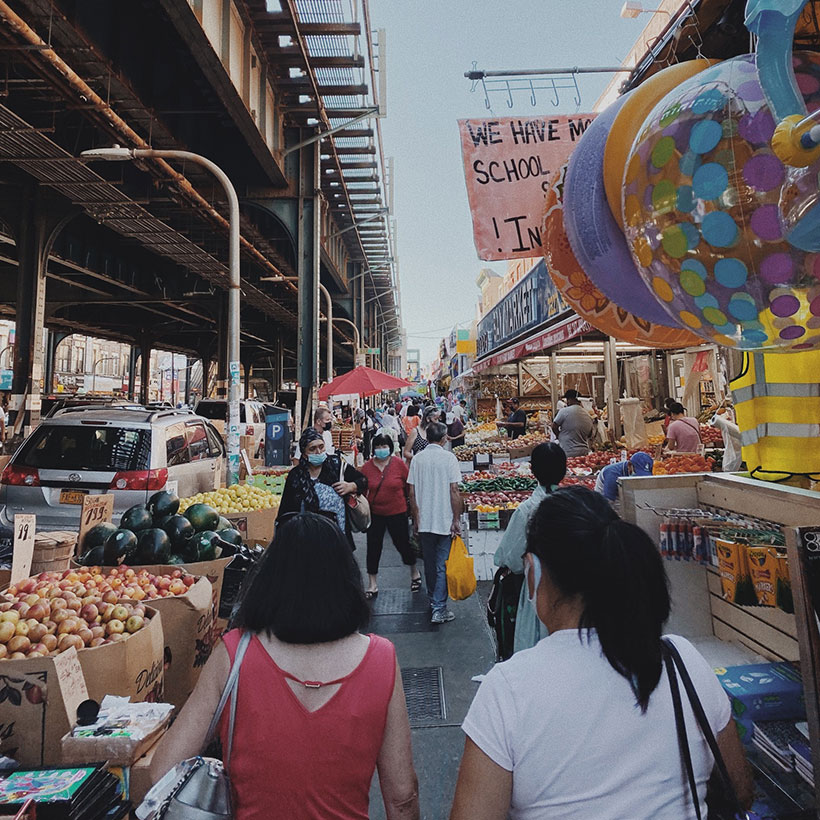
Supporting, celebrating, and preserving diverse cultural heritage throughout NYC
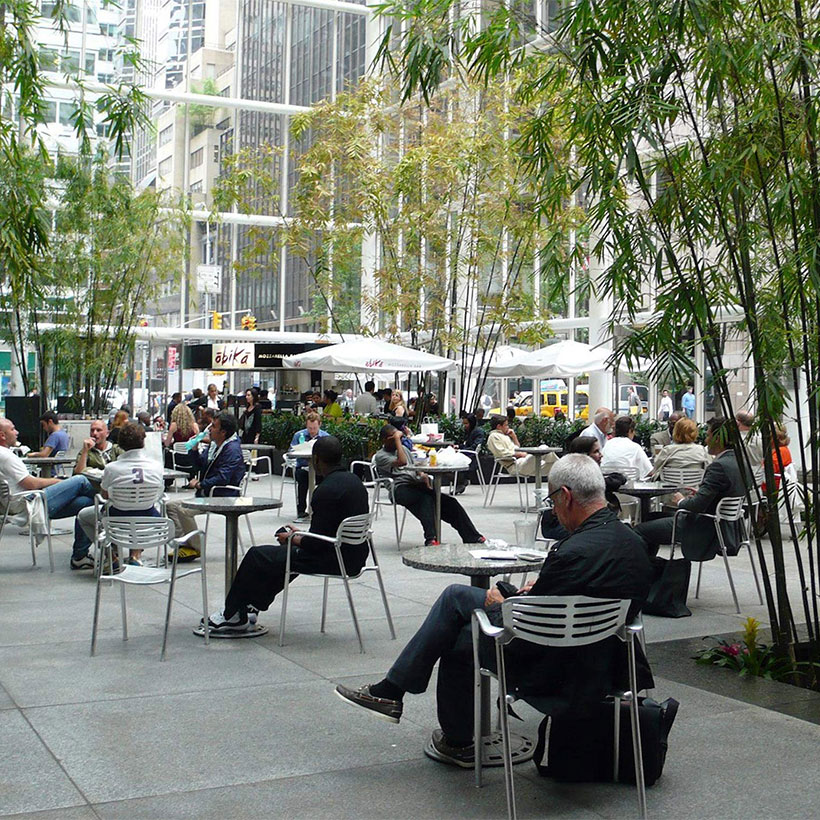
Protecting New York’s 80-acre network of public plazas and arcades