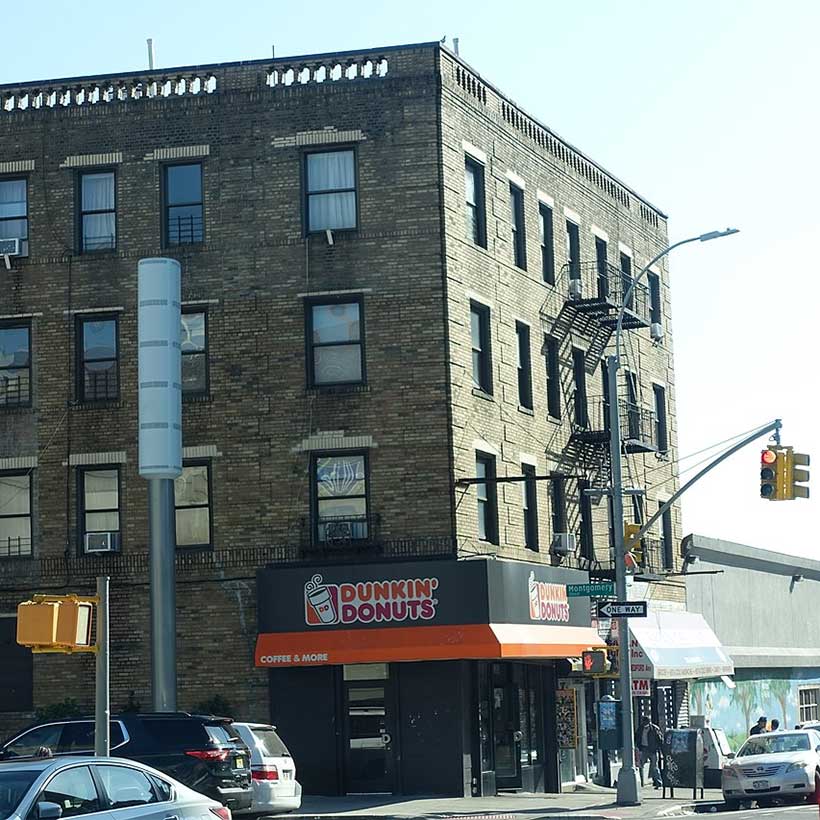
Advocates Urge LPC to Deny the West Park Presbyterian Church Hardship Application
Dear Chair Kersavage and Commissioners,
On behalf of the preservation organizations listed here, we write to urge the Landmarks
Preservation Commission to deny the hardship application concerning West Park
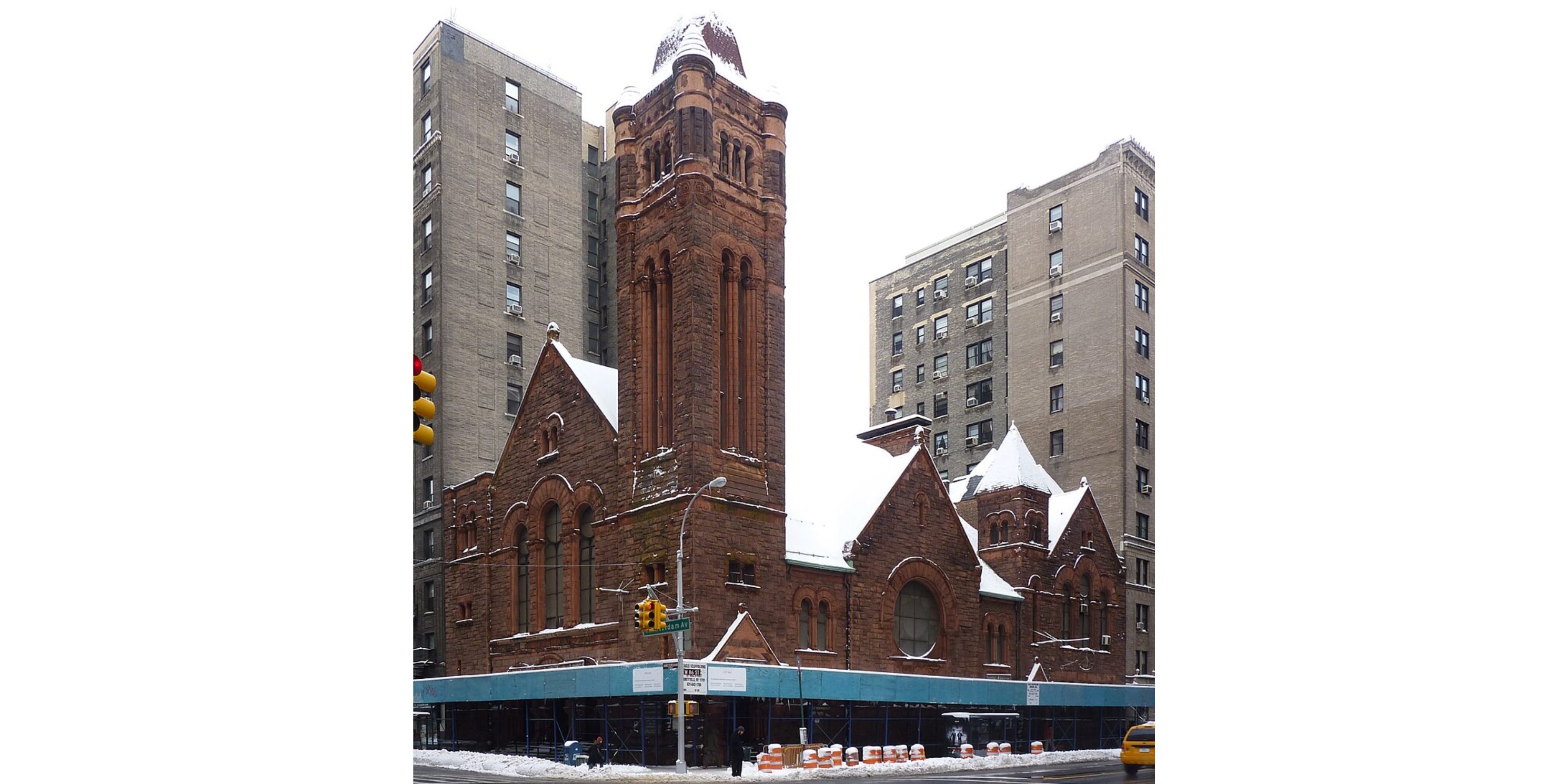
Presbyterian Church, an individual New York City landmark located at 165 West 86th
Street. The application seeks relief that would effectively permit demolition of one of the
Upper West Side’s most important religious buildings. Based on the record before the
Commission, the applicant has not satisfied the demanding legal and factual standards
required to justify such an extraordinary result.
West Park Presbyterian Church is not merely an obsolete structure awaiting
redevelopment. It is a designated civic, architectural, and cultural resource the
preservation of which falls precisely within the ambit of the Landmarks Law. The
Commission’s decision in this matter will have consequences far beyond one building.
Granting demolition through a hardship finding on this record would weaken the integrity
of landmark designation citywide and create a troubling precedent for other historic
religious and nonprofit properties.
Reasons for Denial
1. The applicant has not demonstrated that landmark designation prevents
fulfillment of its charitable mission. The hardship standard for a nonprofit landmark
requires more than a showing that sale and demolition would reap greater financial
rewards. The first relevant question is whether continued preservation of the landmark
prevents the owner from carrying out its charitable or religious purpose. The applicant
has not demonstrated that this situation meets that standard. To the contrary, the building
has long supported religious, cultural, community, and public serving uses, and credible
alternatives remain available to continue those uses in a preserved landmark structure.
2. Demolition is not the only feasible path. Preservation advocates, community
members, and technical experts have identified approaches that warrant full
consideration, including phased repair, targeted façade stabilization, continued
fundraising, adaptive reuse, partnerships with cultural and community organizations, and
the potential use or transfer of development rights. A hardship finding should not be
granted where reasonable preservation alternatives have not been exhausted. And here,
they haven’t been.
3. The building’s condition does not justify abandoning landmark protection.
Deferred maintenance and repair costs, even when substantial, do not by themselves
establish hardship. Many designated landmarks require significant capital work; indeed,
the very nature of historic preservation presupposes that maintenance and restoration of
the buildings under the stewardship of the Commission can be, and is often, costly. Thus,
the Landmarks Law would be rendered hollow if deterioration alone became a pathway to demolition. The Commission must require a rigorous showing that the proposed scope, costs, phasing assumptions, and revenue alternatives have been independently tested and that preservation is genuinely infeasible. Here, this showing has not been made.
4. The public strongly favors preservation. West Park Presbyterian Church grounds a prominent Upper West Side intersection and contributes markedly to the historic character of the neighborhood. The loss of this landmark would diminish not only the immediate community but also the city’s broader architectural and cultural inheritance. People have bemoaned the long-standing poor condition of the building and want to see it restored and returned to community use. Rather than entertaining a historically weak hardship application, the focus should turn to methods of preserving this landmark and ensuring the continued vitality of the law upon which its designation was based.
5. Approval would set a dangerous precedent. Houses of worship and nonprofit-owned landmarks across New York City face real financial pressures. The appropriate response is to encourage preservation planning, partnerships, fundraising, grants, technical assistance, and adaptive reuse—not to convert hardship relief into a demolition mechanism. A denial here would reaffirm that landmark designation carries continuing obligations and that hardship relief remains narrow, evidence-based, and exceptional.
For these reasons, we respectfully request that the Landmarks Preservation Commission deny the West Park Presbyterian Church hardship application. We urge the Commission to direct the applicant to work with preservation organizations, community stakeholders, technical experts, elected officials, and potential partners to develop a preservation-based plan that addresses building conditions while maintaining this landmark as a living civic and cultural asset.
The preservation of West Park Presbyterian Church is consistent with the purpose of the Landmarks Law and with the public’s longstanding investment in protecting New York City’s significant historic places. The Commission should not approve demolition absent a clear, compelling, and fully substantiated showing that no preservation alternative exists. That showing has not been made.
Sincerely,
Lo van der Valk
President
Carnegie Hill Neighbors
Frampton Tolbert
Executive Director
Historic Districts Council
Keri Butler
President
Municipal Art Society
Jay DiLorenzo
President
Preservation League of New York State
Jeremy Woodoff
President
Victorian Society New York
Nuha Ansari
Executive Director
FRIENDS of the Upper East Side
Sean Khorsandi
Executive Director
LANDMARK WEST!
Peg Breen
President
The New York Landmarks Conservancy
Valerie Jo Bradleyi
President
Save Harlem Now!
Andrew Berman
Executive Director
Village Preservation
Help us continue our preservation advocacy for all New Yorkers.
DonateRelated Initiatives
Supporting New Yorkers to become stronger advocates for their neighborhoods
Related News + Reports