President’s Letter: November 2026
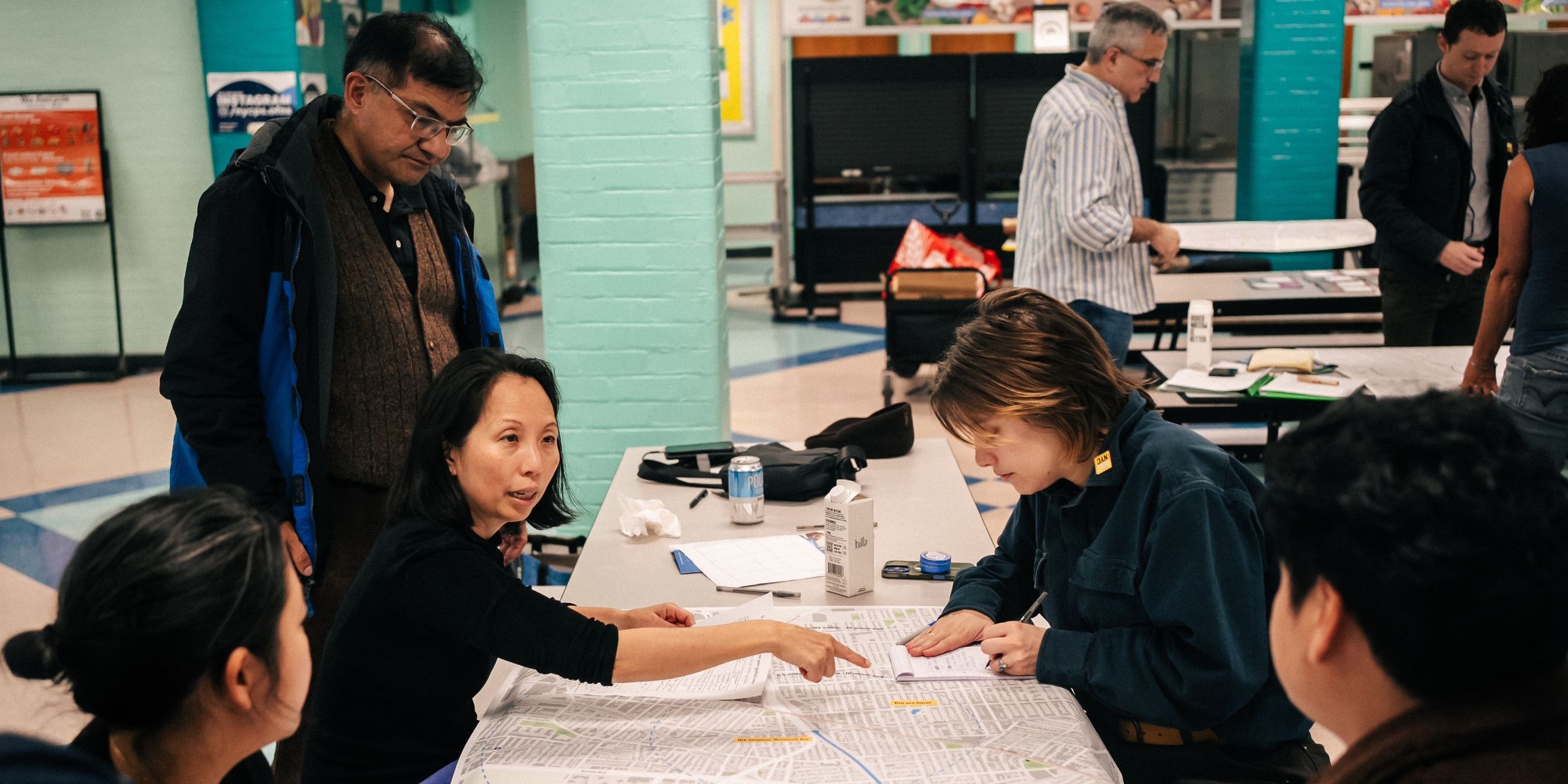
Recently, I spent a day in Jackson Heights and Elmhurst with a room full of Queens community board members, BID representatives, and people from a variety of generations and backgrounds. We gathered at P.S. 69 for this year’s MAS Livable Neighborhoods Program (LNP), a daylong cultural asset mapping workshop informed by our Enduring Culture Initiative.
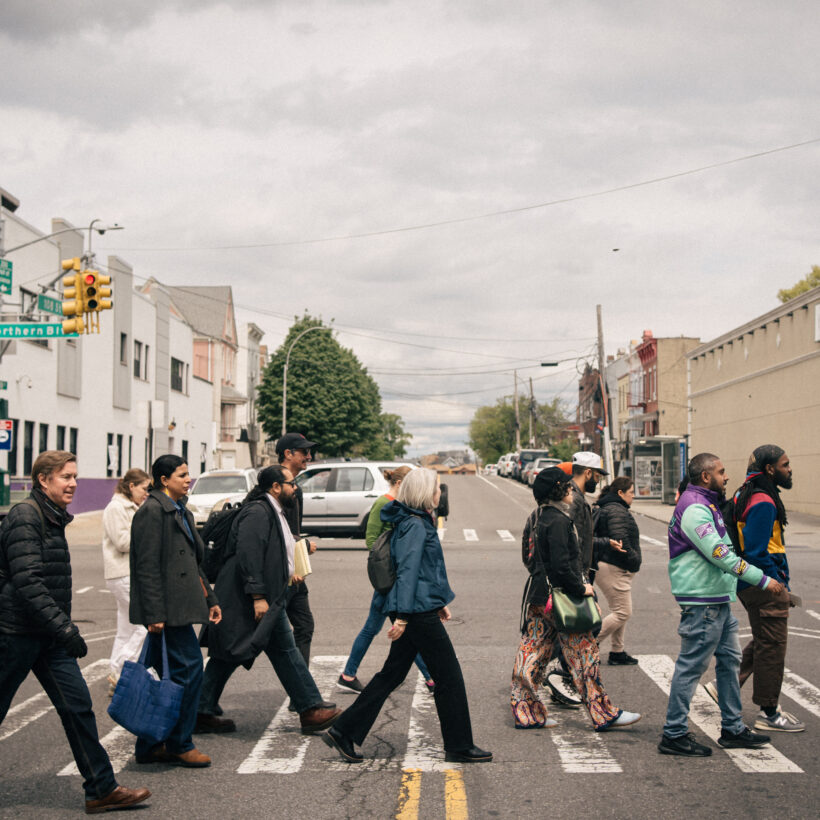
After a presentation by the MTA on the Interborough Express, participants began by creating walking tours of the places that matter to them, capturing historic sites and stories; spaces where people gather to celebrate, recreate, and eat; and small businesses that contribute to community life. We then split into walking groups and set out to visit places each group had marked. What resonated with me were the rich conversations and stories we heard along the way and how the diversity of a neighborhood’s cultural heritage comes to life when you ask people to share it in their own words. In light of last night’s election results nationwide, I’m reminded of the power of collective visioning—and how we all have the capacity to influence the change we hope to see in our communities.
Jackson Heights is known, rightly, as one of the city’s most vibrant immigrant enclaves. But our walks reminded me how many more stories are embedded in its streets and buildings, beyond what’s immediately visible. It’s where the first Queens Pride Parade marched down 37th Avenue in 1993, and where the architect Alfred Mosher Butts invented the game that became Scrabble.
Since Jackson Heights and Elmhurst sit at the northern end of its route, the proposed Interborough Express was a central topic of conversation during LNP. As the MTA and design team shared early ideas for the Roosevelt Avenue stop, the maps gave people a way to ask how the places they’d marked might be impacted by the changes and opportunities brought by the new transit development.
Meaningful engagement takes time. It’s slower than a public comment period, and it asks more of everyone involved. But when change is coming to a neighborhood, I’m convinced the time is well spent—and this workshop reinforced my belief that cultural asset mapping should be a more regular part of how we plan. It can document what makes a place significant, and it can also help residents advocate for themselves proactively, rather than reacting once a plan is already on the table.
Thank you to Council Member Shekar Krishnan’s office, to the custodial staff at P.S. 69, to Gabrielle Beninder-Viani of Buscada, and above all to the neighbors who shared their city with us.
Become a member and get inspired!
Related Initiatives
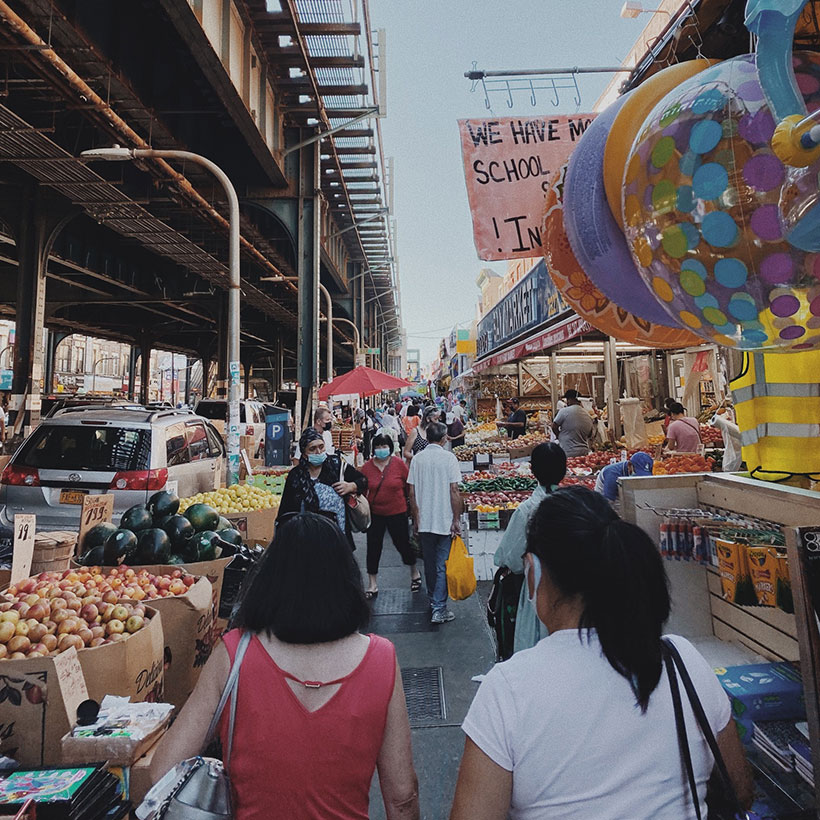
Supporting, celebrating, and preserving diverse cultural heritage throughout NYC
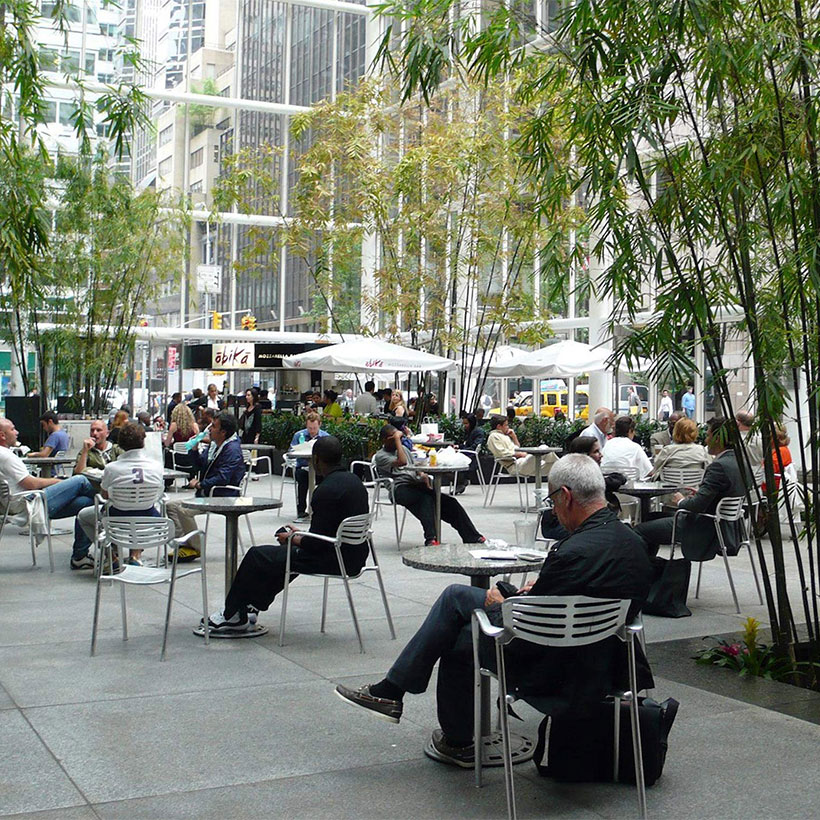
Protecting New York’s 80-acre network of public plazas and arcades