President’s Letter: October 2026
As someone who spent 16 years working in city government, I know firsthand how layers of bureaucracy and outdated processes can slow projects down. Over the decades, government review requirements have accumulated into a complicated web that can make it unnecessarily difficult to get important projects built.
However, the Bipartisan American Affordability and Jobs Act of 2026 goes far beyond cutting red tape. It would dismantle the processes that protect our nation’s environmental and historic resources.
That is why we are asking you to write your elected officials. You’ll be joining MAS and more than 800 national organizations in opposing the bill and the related proposal by the Advisory Council on Historic Preservation (ACHP) to fundamentally weaken the Section 106 review process. Established under the National Historic Preservation Act, the legislation will turn 60 next week.
MAS has long advocated for more effective and efficient government. But the true beneficiaries of this bill would not be the communities waiting for affordable housing, clean energy, or better infrastructure. Instead, it would primarily benefit developers seeking to bypass meaningful public and expert review—including oil and gas pipelines and projects that serve political interests rather than the public good.
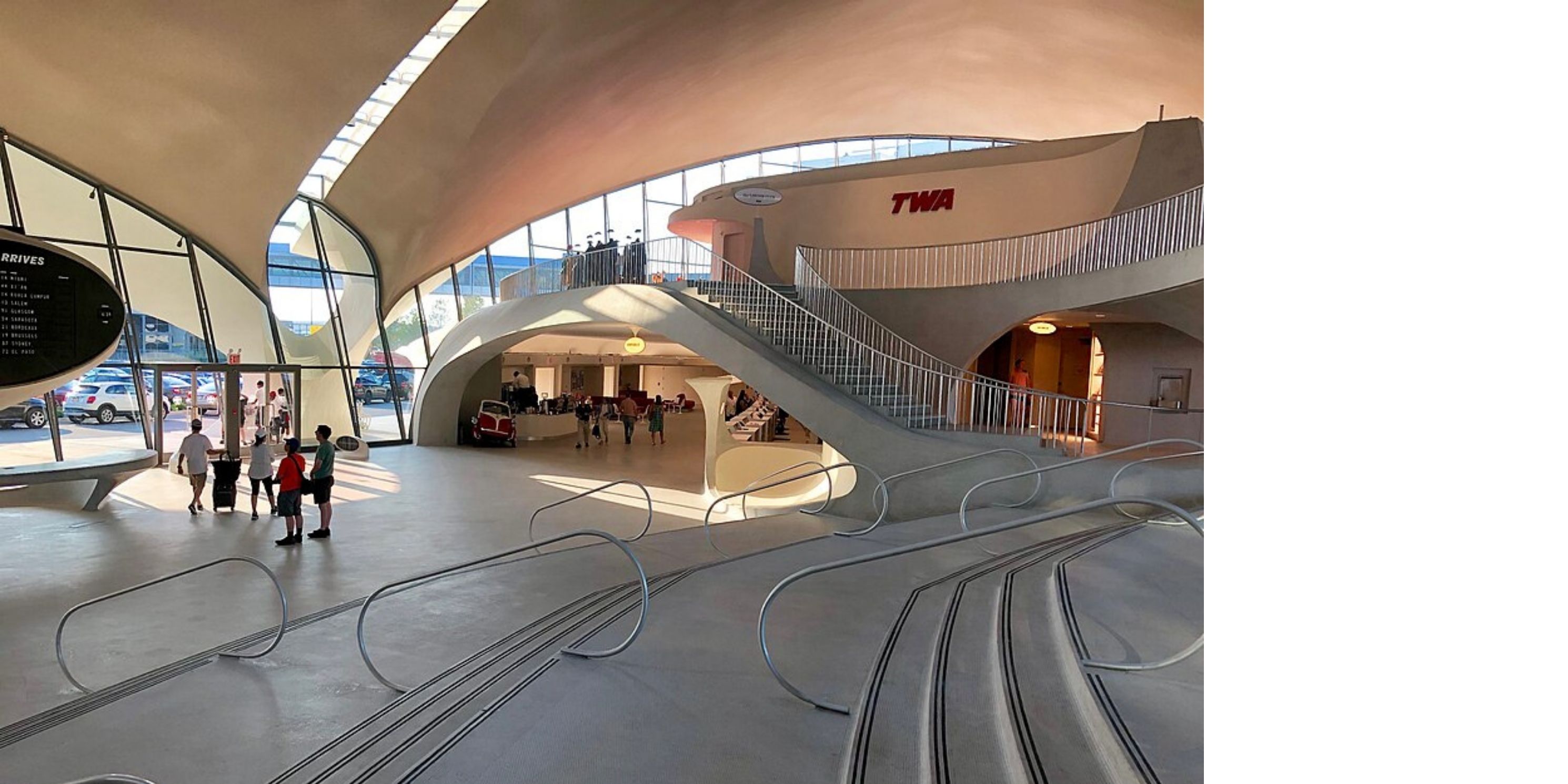
Section 106 has played an essential role in protecting historic places while allowing major infrastructure, transportation, and development projects to move forward. In New York City, the process has helped shape the outcomes of significant projects involving the African Burial Ground, Governors Island, Moynihan Train Hall, and the TWA Terminal at JFK Airport.
We recognize that Section 106 can and should be improved. There are legitimate opportunities to make the process more predictable, efficient, and responsive and MAS has provided recommendations to that end in the past. But streamlining should not mean eliminating accountability or silencing the State Historic Preservation Offices, Tribal Nations, preservation organizations, and communities whose expertise and lived experience are essential to understanding what is at stake.
Faster project delivery should not come at the expense of historic buildings, archaeological sites, cultural landscapes, and the communities whose histories they embody. We can make government work better without dismantling the safeguards that protect our shared heritage.
That is why MAS is asking you to stand with us. Please write to your federal elected officials and urge them to oppose the American Affordability and Jobs Act and efforts to weaken Section 106 protections. Feel free to include language from our letter.
Last month, MAS wrote to our elected officials opposing the proposed changes to Section 106. This legislation would go even further in dismantling the protections that have allowed communities, preservationists, and experts to have a meaningful voice in shaping the future of our historic and cultural resources.
Thank you for standing with MAS to ensure that progress and preservation remain compatible—and that the public continues to have a meaningful voice in the decisions that shape our communities.

Become a member and get inspired!
Related Initiatives
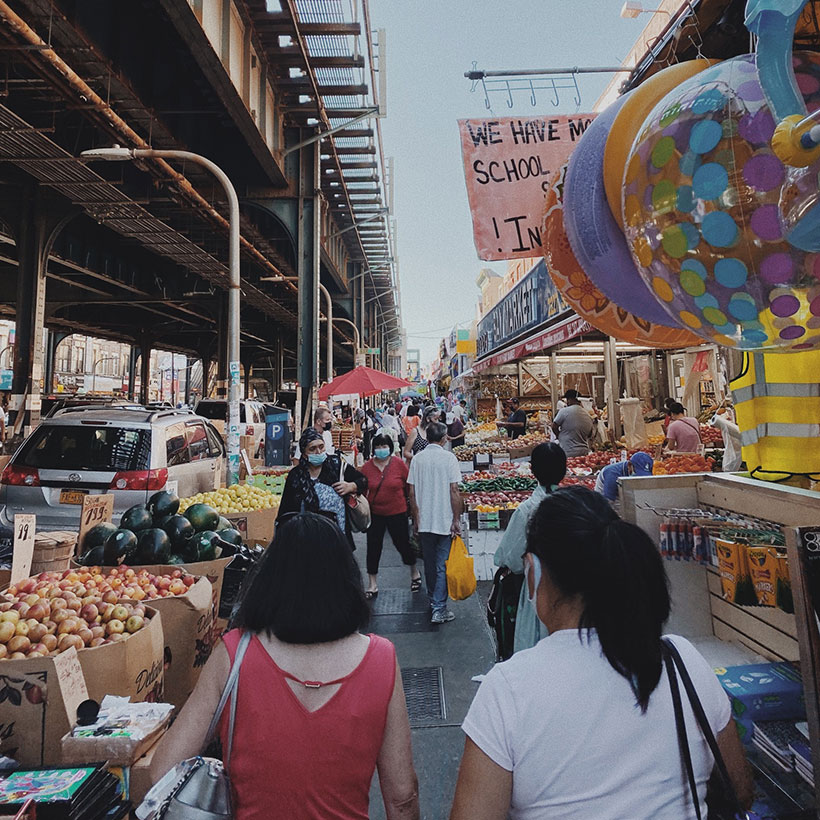
Supporting, celebrating, and preserving diverse cultural heritage throughout NYC
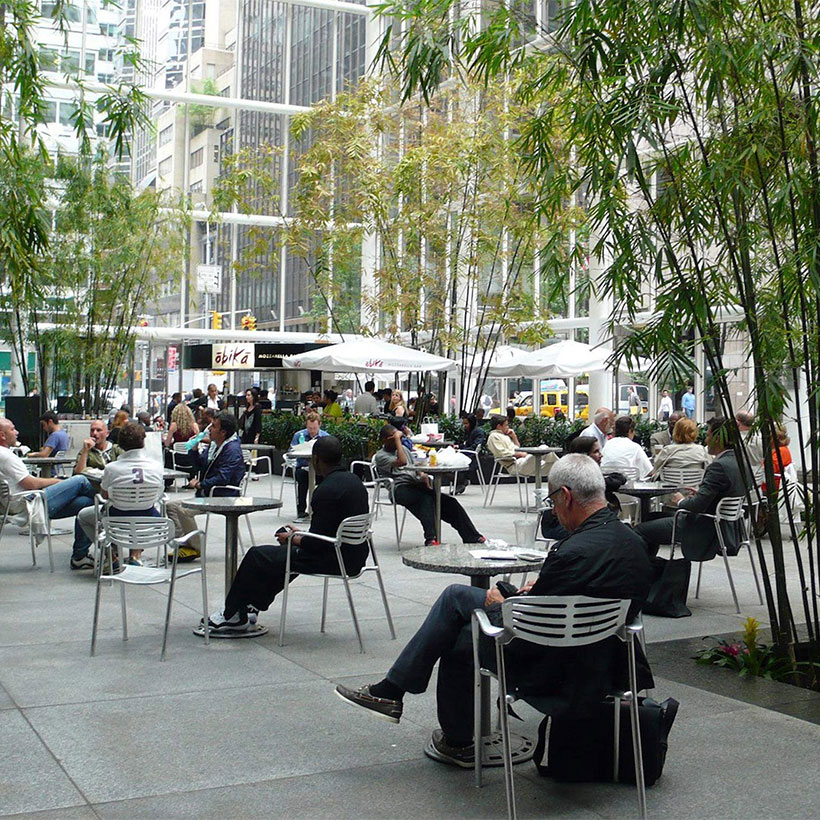
Protecting New York’s 80-acre network of public plazas and arcades